

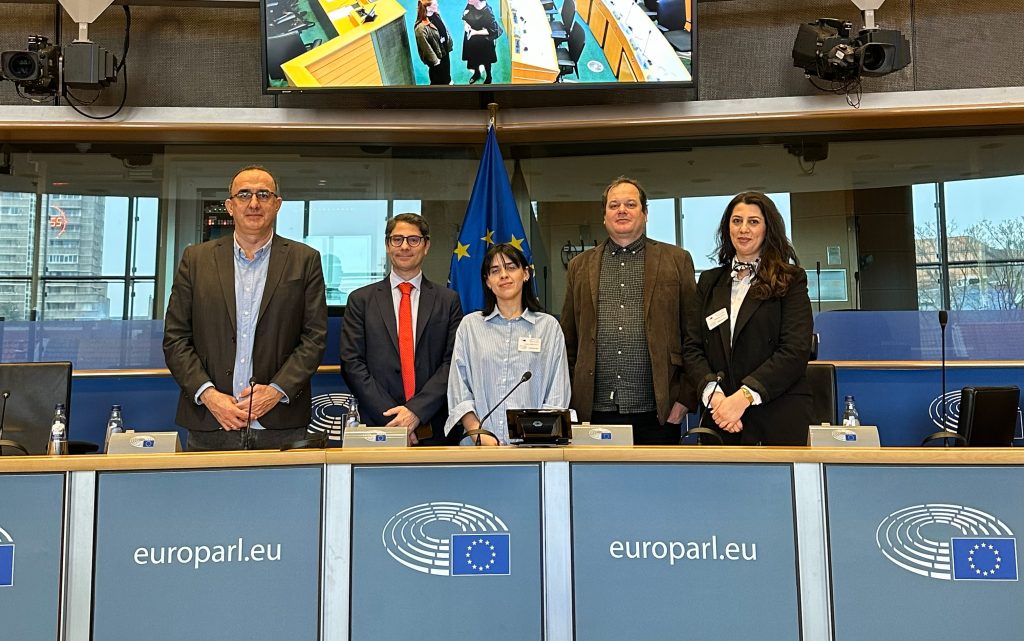
WBN network members Tinatin Khidasheli, Dinko Gruhonjić, František Šístek, and WBN Youth Coordinator Almedina Dodić attended the annual Western Balkans Forum 2026: A New Chapter for Europe, organized by Renew Europe at the European Parliament in Brussels.
The two-day forum gathered policymakers, civil society representatives, academics, and youth leaders to examine the next phase of EU-Western Balkans integration and the region’s democratic resilience. Discussions across the panels addressed the credibility of the EU enlargement process, the strengthening of democratic institutions, the fight against disinformation and foreign interference, and the protection of independent media and civic space.
The WBN network members also shared insights from Georgia’s and Serbia’s ongoing protest movements, comparing how civic mobilization and demands for democratic accountability are shaping the future in both countries. In Georgia, large-scale protests began after the 2024 parliamentary elections amid allegations of irregularities and a government decision to delay EU accession, leading citizens to call for new elections and respect for democratic norms. In Serbia, student-led demonstrations sparked by public outrage over corruption and government accountability have grown into one of the largest civic movements in recent history, attracting tens of thousands and demanding systemic reforms, transparency, and stronger protection of human rights.
Participants highlighted the growing role of a new generation of leaders in shaping a more cooperative and European future for the Western Balkans. A dedicated youth session, moderated by Almedina Dodić, emphasized how young people across the region are actively challenging corruption, democratic backsliding, and pressure on civic actors, demonstrating that youth activism is already influencing political and social realities.
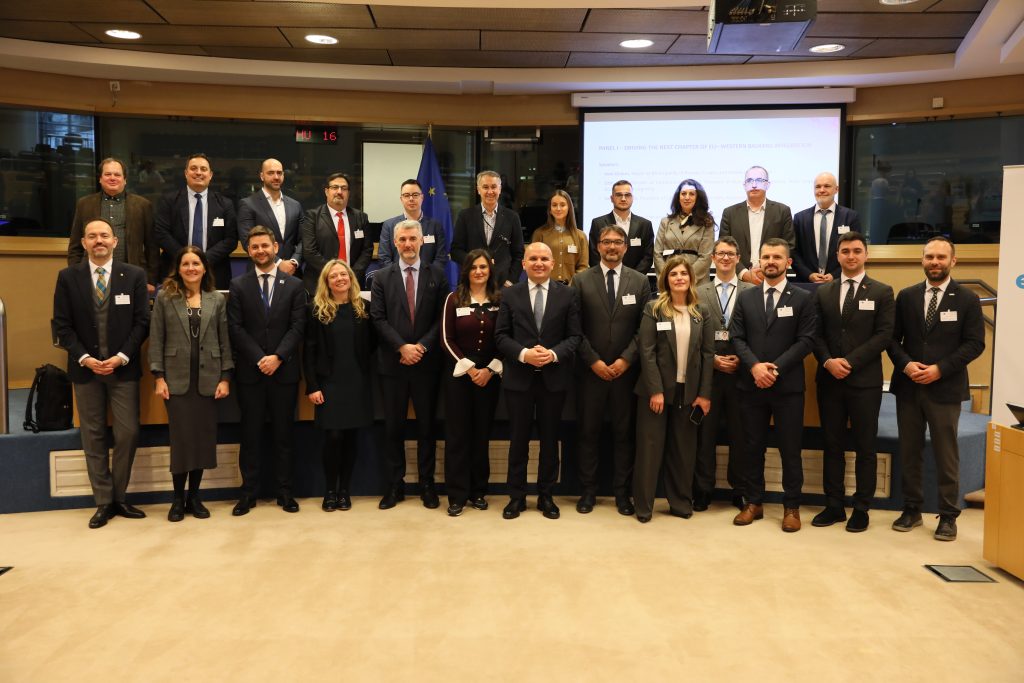
There was a shared call to translate European values into accessible language and to clearly communicate the practical benefits of EU integration for youth, including mobility, education opportunities, and employment prospects.
Besides the Forum, the network members had the opportunity to meet with Members of the European Parliament, as well as representatives of EUCRTA and the European Endowment for Democracy, to discuss future cooperation and support for democratic initiatives in the region.
